Hydrogen sulfide from the Tijuana River has reached levels that can harm people's health, a federal agency declared for the first time in a draft report released Wednesday, Sept. 23.
The Agency for Toxic Substances and Disease Registry (ATSDR), a public health agency within the U.S. Department of Health and Human Services, named Coronado alongside Nestor, San Ysidro and Imperial Beach among the South Bay communities affected, according to the San Diego Union-Tribune.
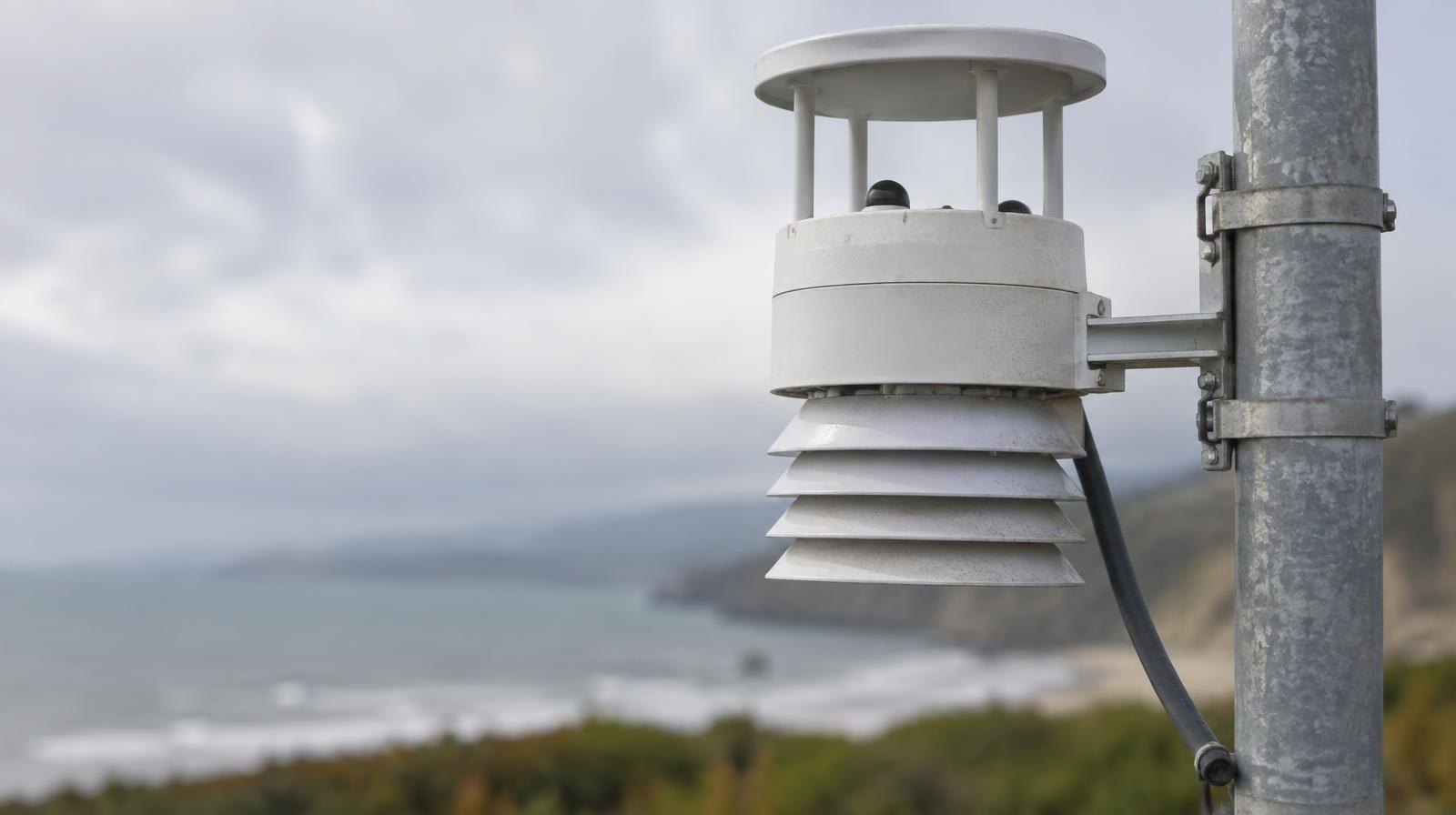
The 72-page report analyzed more than 800,000 air measurements collected between September 2024 and May 2025 at four monitoring sites in South County.
At the Leon Avenue station, a 30-minute hydrogen sulfide average hit 3,021 parts per billion in September 2024, well above the 2,000-ppb level associated with health effects in humans, Get Wet Project reported.
Hydrogen sulfide is a colorless gas that smells like rotten eggs. A byproduct of sewage pollution, it can be detected at concentrations as low as 0.5 parts per billion. The ATSDR found that threshold was exceeded at all four monitoring sites up to 93% of the time.
Short-term exposure at elevated levels can cause headaches, cough, nausea and shortness of breath, the report stated. Longer-term exposures of 14 days or more are not expected to cause additional health effects beyond those symptoms, though odor-related complaints may persist.
San Diego County Supervisor Paloma Aguirre, whose District 1 includes the affected communities, said in a Sept. 23 statement that the declaration validated what families had reported for years.
"For two years the answer was 'it's just a smell.' Today the answer is 'it's a public health hazard,'" Aguirre said. "That's the difference between being dismissed and being believed."
The report drew on data from UC San Diego's Scripps Institution of Oceanography. Atmospheric chemist Kimberly Prather's team measured hydrogen sulfide exceeding 4,000 parts per billion near the river and up to 20,000 ppb directly at the Saturn Boulevard hot spot. Sewage and industrial waste spill from culverts onto rocks there, creating turbulence that releases the gas.
At the Leon Avenue site, Prather's instruments recorded a one-minute peak of 4,500 ppb and a highest one-hour average of 2,100 ppb. That one-hour reading is roughly 70 times California's one-hour limit of 30 ppb, according to UC San Diego.
When Mexican officials briefly diverted wastewater away from the Saturn Boulevard site in September 2024, hydrogen sulfide readings dropped sharply, the Union-Tribune reported.
The ATSDR recommended that federal and state agencies prevent transboundary sewage flows to keep hydrogen sulfide as low as possible, ideally below the 0.5-ppb odor threshold. It also urged local agencies to expand air monitoring beyond fixed sites, include volatile organic compounds in testing and continue San Diego County's free air purifier program. The county has distributed 14,500 free air purifiers to area residents.
As we reported Thursday, Sept. 24, Coronado officials have proposed adding hydrogen sulfide monitors near the city's beaches.
The county Board of Supervisors approved its Capture and Clean Initiative on Sept. 1, beginning an 18-month, $1.8 million analysis of a county treatment system on the U.S. side of the border. The board has declared the Tijuana River crisis an emergency 22 times, according to Aguirre.
The ATSDR report is a draft open for a 60-day public comment period ending Saturday, Nov. 21. The agency plans a virtual public meeting Wednesday, Sept. 30, to discuss findings. An in-person community meeting is planned for November at the Imperial Beach Library.
A second ATSDR report addressing potential exposures to chemicals in surface water, sediment and soil is expected later. Residents who want a free air purifier can contact the San Diego County Air Pollution Control District's AIRE program.