Rebecca King, a Coronado City Council candidate, proposed installing hydrogen-sulfide air monitors at two locations in the city to track sewage-related pollution drifting from the Tijuana River Valley.
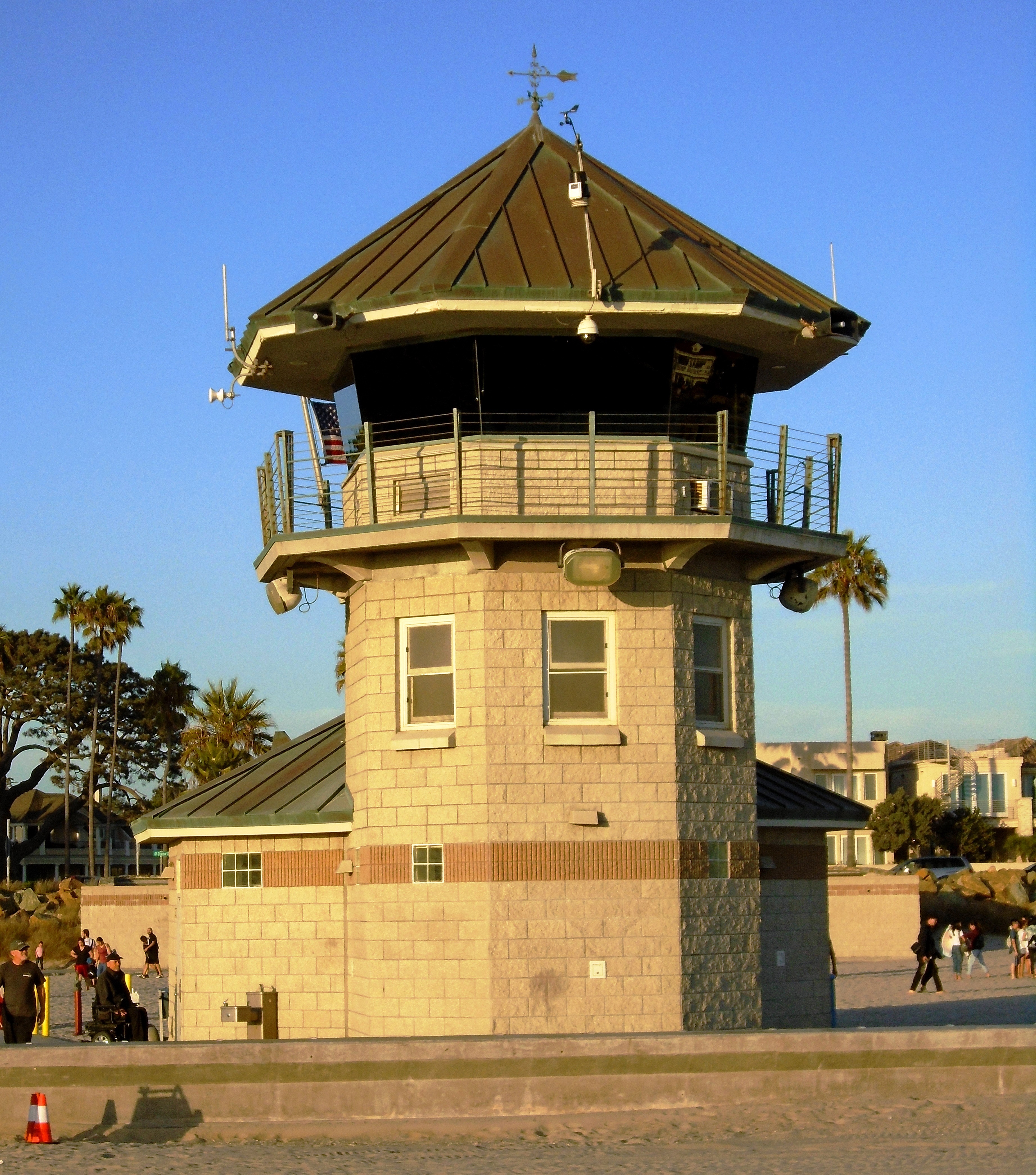
King outlined the plan at the Thursday, Sept. 24 candidates forum, reported by the Coronado Eagle & Journal. She cited residents' reports of "sewage in the surf and the smell of rotten eggs with resulting migraines and respiratory issues" and called on the city to partner with UC San Diego's Airborne Institute to place equipment at the Coronado lifeguard tower between the Hotel Del Coronado and The Shores and at Coronado Cays Park near Silver Strand State Beach.
The Airborne Institute already tracks hydrogen sulfide near Imperial Beach. King said the readings would let the city warn residents, visitors, lifeguards and the Navy about unhealthy air days, not just unsafe water days.
No existing monitors sit in Coronado. The San Diego County Air Pollution Control District operates hydrogen-sulfide sensors at Berry Elementary School in Nestor, San Diego Fire Station #29 in San Ysidro and the Imperial Beach Civic Center. The district shares that data with UC San Diego.
King's proposal landed one day after a federal report underscored the health risk. On Wednesday, Sept. 23, the Agency for Toxic Substances and Disease Registry (ATSDR) released a health consultation finding that hydrogen sulfide at a Leon Avenue monitoring site hit a one-minute peak of 4,500 parts per billion (ppb). That is roughly 70 times California's one-hour limit of 30 ppb, according to UC San Diego.
Kim Prather is co-founding director of the Airborne Institute and a distinguished professor at UC San Diego's Scripps Institution of Oceanography. Prather said on Sept. 23 that families in Nestor, San Ysidro, Imperial Beach and Coronado have reported for two years that the air was making them sick.
"Polluted water becomes polluted air, and air reaches everyone who breathes it, far beyond anyone who touches the water," Prather said.
The air-quality focus is not new for King, an attorney and former chair of Coronado's Planning and Design Review Commission. In an Aug. 31 Coronado Times profile, she pointed to Prather's work on sewage-contaminated sea spray and said she wanted more research in the Coronado Cays near Silver Strand Elementary.
At the forum, King named specific locations, a research partner and a mechanism for real-time warnings. She also called for faster, more reliable water-quality testing and for hotels to post contamination warnings where guests will see them.
On the longer horizon, King said she supports building capture-and-treat infrastructure in San Diego County to divert and reuse Tijuana River runoff. She noted that Tijuana's San Antonio de los Buenos treatment plant recently completed rehabilitation and that construction is underway to expand the South Bay International Wastewater Treatment Plant.
UC San Diego's Airborne Institute has not publicly confirmed interest in the Coronado partnership. The institute is a multi-university research program involving UT Austin, San Diego State, UC Riverside, NOAA and other partners.
King is one of four candidates running for two open council seats. Andrew Gade, Kelly Purvis and Ricky Hoyt are also on the ballot, according to the city's election page. Vote-by-mail ballots go out Oct. 5. Election Day is Tuesday, Nov. 3.
The ATSDR health consultation is open for public comment through Saturday, Nov. 21.