San Diego County approved $5.8 million to start planning its own sewage treatment system for the Tijuana River. The Sept. 1 vote is the first step in a strategy to raise close to $1 billion.
The 4-1 vote funds engineering and design work only. No treatment plant will be built with this money. But supervisors say the planning phase is essential before the county can pursue the hundreds of millions of dollars a permanent fix will cost.
Of the $5.8 million, $4 million will pay for design of a permanent box culvert fix at Saturn Boulevard. Hydrogen sulfide concentrations there have been measured at 500 parts per billion, more than 16 times the state standard of 30 ppb, The Coronado News reported, citing the county board letter. The remaining $1.8 million funds engineering on a capture and cleanup system that Supervisor Paloma Aguirre described as the first infrastructure the county would build to treat river flows on U.S. soil.
The Saturn Boulevard project's full construction cost is estimated at $23 million. The county is working on an interim solution by 2027.
Beach closures from the crisis have reached as far north as Coronado, the New York Post reported Sept. 3. As we reported Sept. 9, the city closed its entire shoreline.
The $1 billion financing plan
Supervisor Terra Lawson-Remer, who represents District 3 including Coronado, said the county's long-term financing strategy mirrors the model used for the $900 million Terminal 2 expansion at San Diego International Airport. The idea: bond against a guaranteed future revenue stream.
If the county secured roughly $80 million a year in dedicated revenue, it could issue $700 million to $1 billion in bonds to build treatment facilities, Lawson-Remer said, according to the Coronado Times.
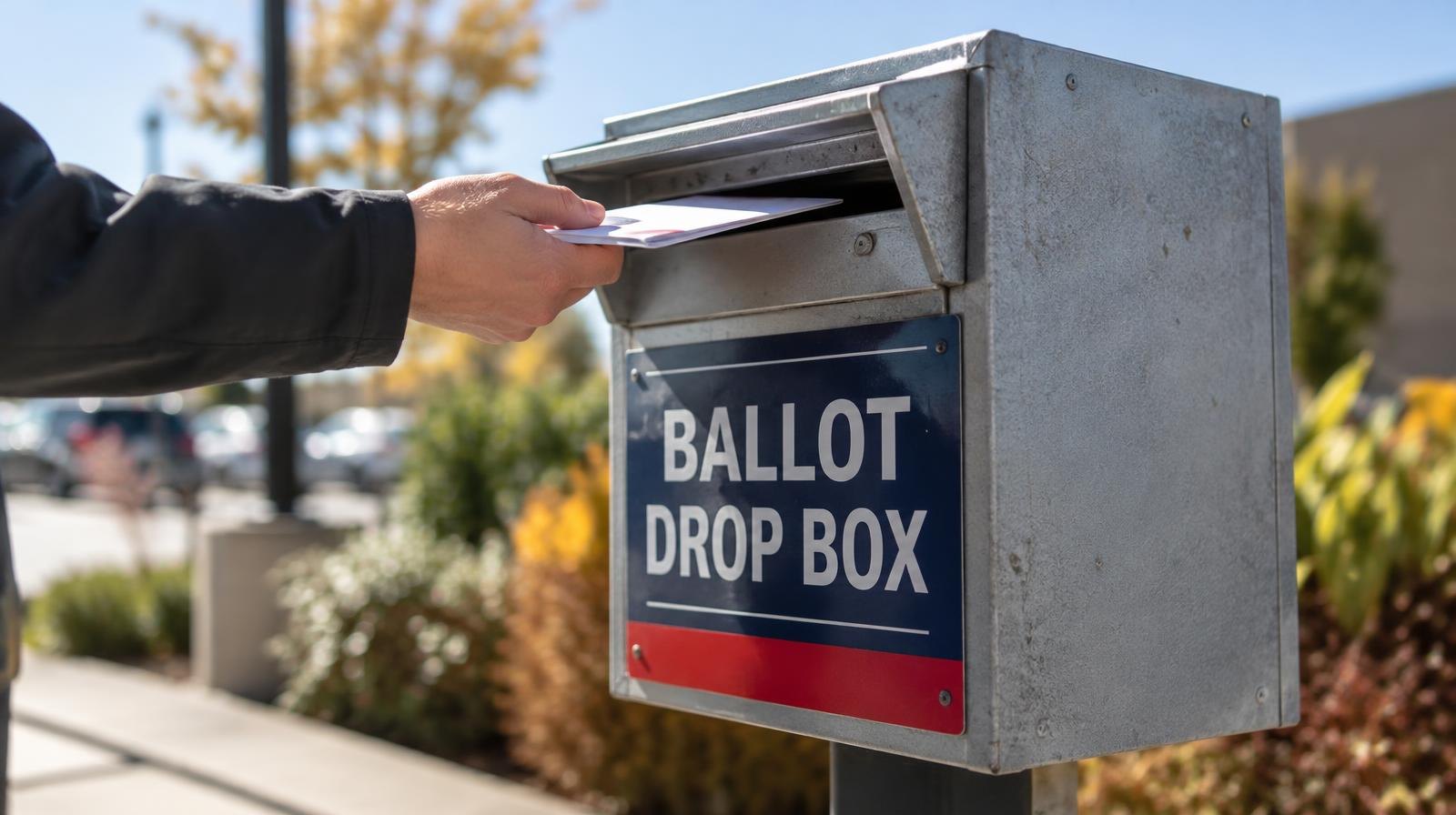
That revenue could come from Measure B, a countywide ballot measure on the Nov. 3 ballot formally titled the Protect San Diego County Health and Safety Act. It would raise the sales tax by a half-cent.
How much would go to the Tijuana River crisis is disputed. Supervisors Lawson-Remer and Aguirre cited roughly $80 million a year, about 22% of an estimated $360 million in annual revenue. But the San Diego Foundation's nonpartisan voter guide, published Sept. 3, lists only 5% of revenue for Tijuana River sewage cleanup, with total annual revenue estimated higher at $400 million to $450 million.
Both supervisors said they are not taking a position on the ballot measure and are pursuing state and federal funding regardless of its outcome.
Anderson's dissent
Supervisor Joel Anderson cast the lone no vote on the capture and cleanup system. He supported the Saturn Boulevard project but argued the county should not take on work that belongs to the federal government.
Anderson also proposed using water supply as leverage against Mexico, suggesting a coalition push to withhold water delivered to Tijuana via the Otay Water District. That water is Mexico's own Colorado River allocation under the 1944 U.S.-Mexico Water Treaty. Mexico pays transportation costs, not a market price.
"That could lead to billions," Anderson said at the Sept. 1 meeting, as the New York Post reported. "The county just doesn't have that kind of money. And it shouldn't be the county's responsibility."
New standing committee, three-phase timeline
The board dissolved its ad hoc Tijuana River subcommittee and replaced it with a permanent Standing Committee on the Tijuana River pollution crisis. The committee will provide public oversight through every phase.
The project has three phases. Phase 1 uses the $1.8 million for an 18-month evaluation of options, sites, permits and costs. County staff is expected to return to the board with top options at the end of that window. Phase 2 would refine the selected design. Phase 3 covers permitting under state and federal environmental law.
More than 200 billion gallons of polluted water have crossed into the South Bay since 2018, according to the county board letter. UCSD Scripps researchers attributed roughly 34,000 illnesses annually to water pollution in Imperial Beach.
The federal government has dedicated approximately $650 million to repair aging wastewater infrastructure at the border. The South Bay International Wastewater Treatment Plant is scheduled for full expansion to 50 million gallons per day by December 2027.