The Tijuana River sewage crisis drains up to $503.5 million a year from the San Diego County economy, according to a new study presented to county supervisors Tuesday, Sept. 15.
Consulting firm ECOnorthwest delivered preliminary findings from its Economic Costs and Impacts of the Tijuana River Sewage Crisis study, which the San Diego County Board of Supervisors commissioned in September 2025. The study estimates annual losses between $125.6 million and $503.5 million in reduced visitor spending. Left unchecked over 20 years, the damage could reach $7.9 billion, The Coronado News reported.
Coronado's economic growth is lagging behind the broader region, according to the study. Chris Blakney, a principal at ECOnorthwest, told supervisors that Coronado's economy is growing "at a far more measured rate than what we're seeing in the economy as a whole." Survey flyers for the study were distributed at businesses in both Coronado and Imperial Beach, according to presentation slides.
Board Chair Terra Lawson-Remer, whose district includes Coronado, called the figures shocking.
"$8 billion over 20 years in lost economic activity. That is shocking," Lawson-Remer said.
The study centered its analysis on three surges in cross-border sewage flows: a 2017 incident, rising transboundary flows beginning in 2020 and Tropical Storm Hilary in 2023. After each event, business investment and new business starts in the affected area dropped, according to Blakney. Imperial Beach saw a 27.8% decline in transient occupancy tax revenue, according to the study.
ECOnorthwest contacted 40 organizations for guided focus groups and collected responses from 244 people through online surveys available in Spanish and English. Across those groups, Blakney said people reported getting sick, changing their consumer and recreation habits, and losing customers at their businesses.
The study also found 4% lower average school attendance in the affected area compared to benchmark communities, costing an estimated $16 million to $38 million per year. The presentation slides noted that lower attendance cannot be directly tied to the sewage crisis.
No formal vote was taken on the study. The San Diego Union-Tribune reported that Steve Lockett, deputy director for the county's economic development office, said the full report will be finalized by mid-October. The Coronado News reported the final report is expected by the end of October.
The findings land two weeks after supervisors voted 4-1 on Sept. 1 to launch the Tijuana River Capture and Cleanup Initiative, directing $1.8 million toward an 18-month engineering study for a new treatment system separate from the federally operated South Bay International Wastewater Treatment Plant (SBIWTP). Supervisors also approved $4 million unanimously that day for a permanent box culvert project at Saturn Boulevard, where hydrogen sulfide levels have reached 16 times the state air quality standard.
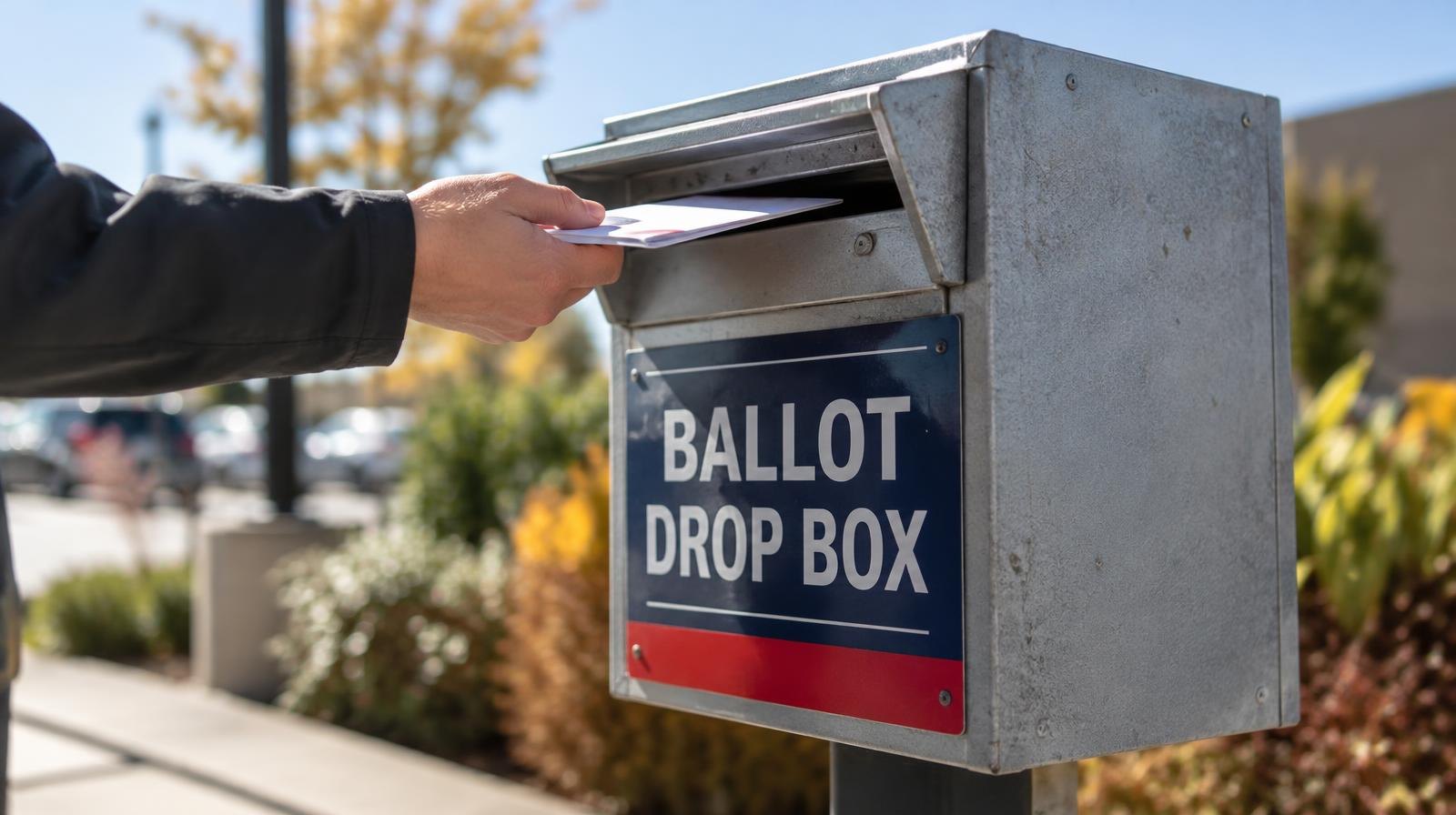
Chair Pro Tempore Paloma Aguirre said the economic data will strengthen the county's case for state and federal aid. A proposed countywide sales tax increase, from 7.75% to 8.25%, is headed to the November 2026 ballot, with 22.5% of new revenue earmarked for Tijuana River Valley sewage mitigation, according to the Union-Tribune.
The full ECOnorthwest report, including a technical appendix, is expected by late October.