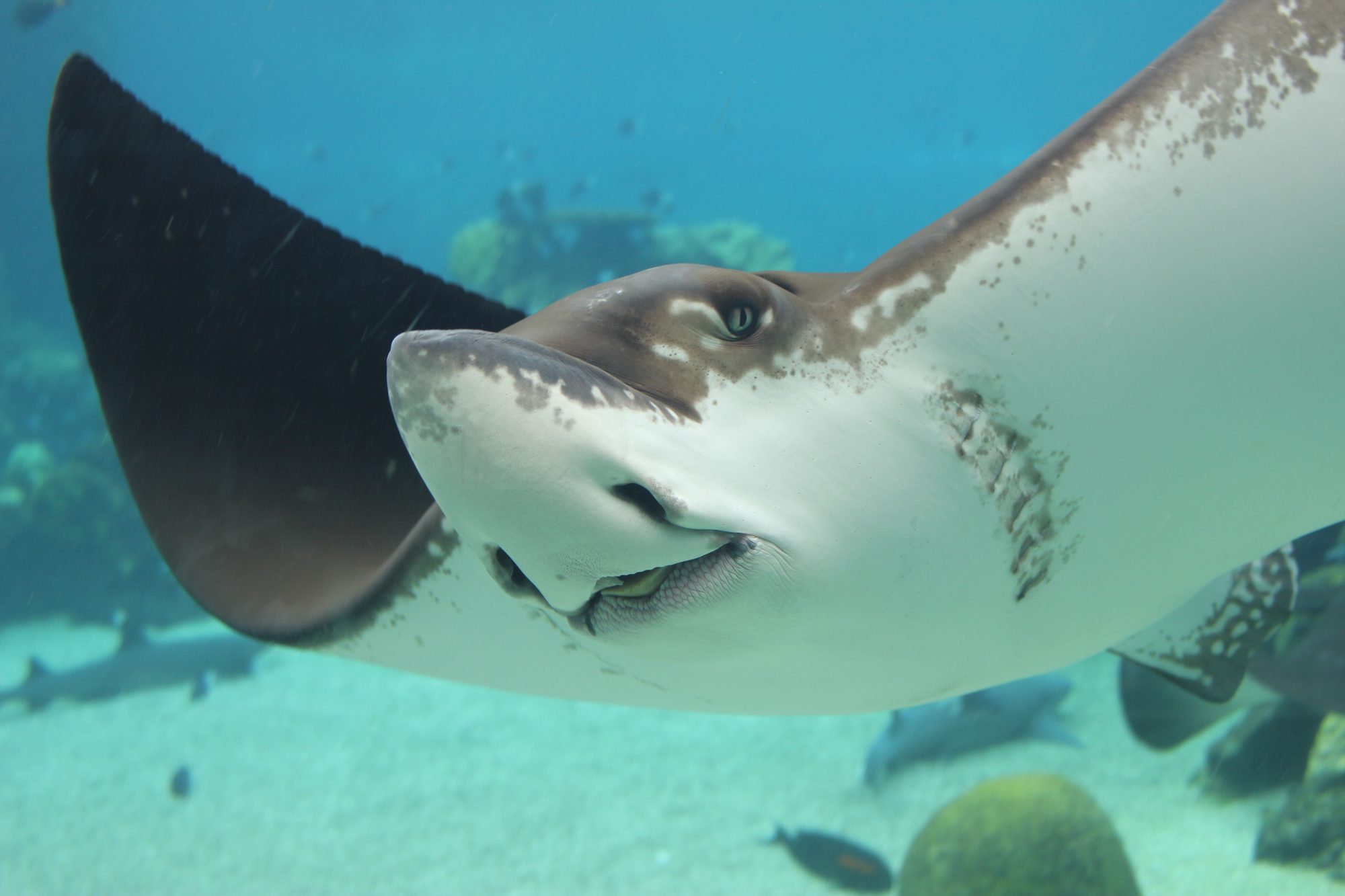
San Diego lifeguards have treated 1,207 stingray injuries countywide through mid-August 2026, roughly 200 more than at the same point last year, according to San Diego Fire-Rescue Lt. John Maher. The surge, driven by a marine heat wave that has kept ocean temperatures in the 60s all year, has marine biologists warning of record stingray numbers along the entire Southern California coast.
Maher told CBS 8 that flat, sandy beaches see the most stingray incidents, a description that fits Coronado's shoreline. Mission Beach, Ocean Beach and La Jolla Shores lead the county in stingray encounters this summer. Coronado Fire Department has not released Coronado-specific injury numbers for 2026.
"If you get stung by a stingray, don't panic," Maher said on Aug. 15. "It's not after you. Just head on into the beach. A lifeguard will pick you up."
Why so many stingrays?
Chris Lowe, director of the CSULB Shark Lab, told the Associated Press on Aug. 13 that El Niño conditions are drawing round stingrays northward and closer to shore. Ocean temperatures have not dipped below 60°F for a single week this year, according to California State Parks superintendent Bryan Etnyre.
Lowe said the rays can become so dense they "carpet the bottom" of shallow areas, invisible against the sand. The historic decline of large predators like sharks, giant sea bass and sea lions has left the round stingray population largely unchecked for decades, according to CSULB Shark Lab research.
Weakened surf compounds the problem. When swells die down, stingrays move into the shallows just as warmer weather draws more swimmers to the water, according to Seal Beach Marine Safety Lt. Nick Bolin, who spoke to Patch on Aug. 21.
How to avoid getting stung
San Diego lifeguards recommend the "stingray shuffle." Instead of stepping normally into the water, slide your feet along the sand. The vibration gives buried rays a chance to swim away before you step on them. Surfers are among the most frequent victims because they jump off boards directly onto rays resting on the bottom.
What to do if you're stung
Stingrays strike with a serrated spine about one to one-and-a-half inches long. The sting is painful but rarely dangerous.
Lifeguards treat stingray wounds by soaking the affected area in hot water, between 104°F and 113°F, for 30 to 90 minutes. The heat breaks down the venom and eases pain. Officials advise against applying alcohol, urine or ammonia to the wound.
Most stings do not require an emergency room visit, Maher said, but anyone whose pain lasts more than a day or who notices signs of infection should seek medical attention. Wounds that bleed heavily should be wrapped, and lifeguards will monitor for infection.
The bigger picture
Across Southern California, the numbers are staggering. Bolsa Chica State Beach and Huntington State Beach in Orange County have reported more than 3,100 stingray incidents in 2026, double the total for all of 2025. Lowe estimates Southern California lifeguards can treat as many as 10,000 stingray injuries in a single year.
Coronado lifeguard towers are staffed daily through the summer season. Beachgoers who are stung should head to the nearest tower for treatment.