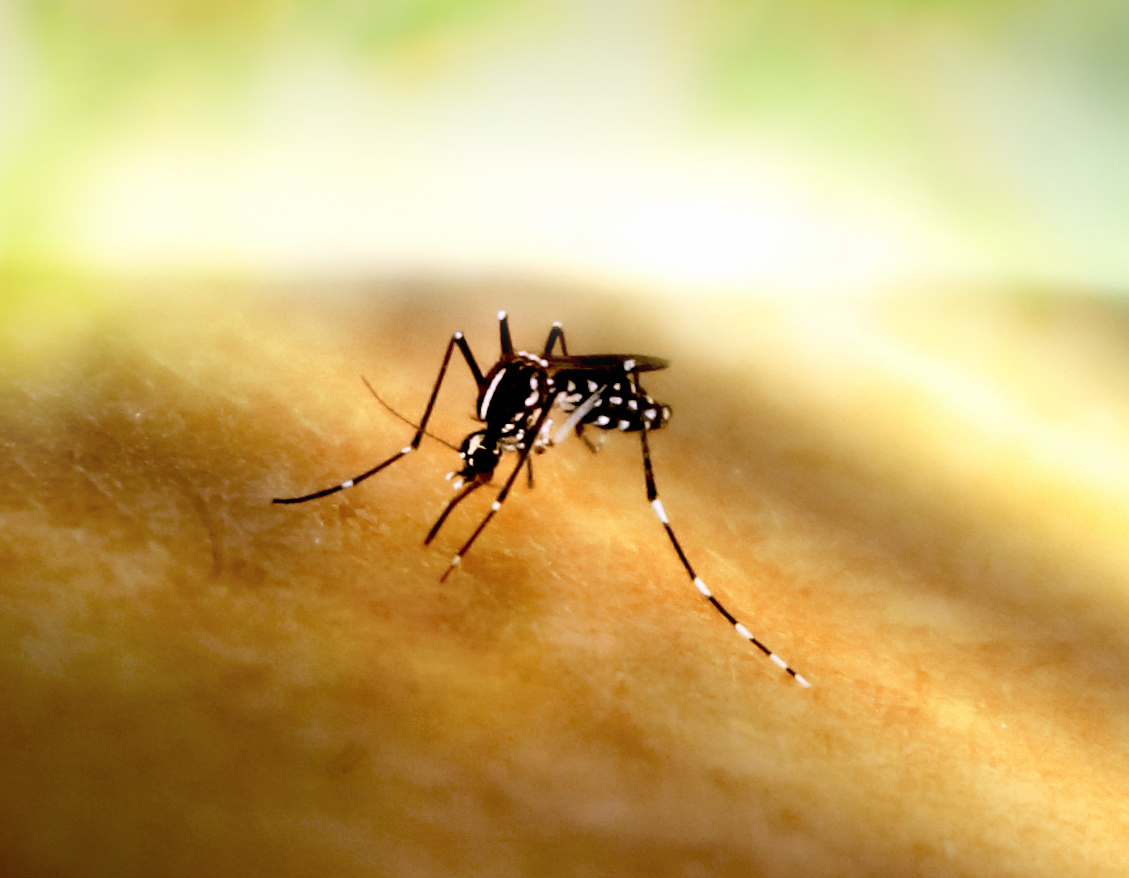
San Diego County sprayed pesticide across roughly 6,000 Coronado lots early Friday, Sept. 25, to kill mosquitoes carrying West Nile virus. A second round is scheduled for Saturday, Sept. 26, at 1 a.m.
Each session runs from 1 a.m. to 6 a.m. in the area bounded by 2nd Street, Ocean Boulevard, F Avenue and Glorietta Boulevard, the Coronado Times reported. Additional treatments may follow the next week, depending on conditions.
San Diego County has confirmed 11 West Nile cases this year, the highest total in a decade, according to CBS 8. Three of those cases are in Coronado, and four of the 11 patients countywide have been hospitalized.
Ten of 95 tested mosquito batches and two infected birds found across the county were located in Coronado, the Coronado News reported. Nearly 1,500 Coronado homes received warning letters about infected mosquitoes in the weeks before the spray.
The pesticide, called AquaDuet, mimics natural insecticides found in chrysanthemum flowers. It is applied as a fine mist that kills adult mosquitoes on contact and should dissipate within 30 minutes, according to the county. The Environmental Protection Agency (EPA) has evaluated the products for safety.
Not everyone is reassured.
Christine Mott, a Coronado animal advocate and environmental law expert, wrote in an online community forum that the spray kills insects indiscriminately, including bees, butterflies and other pollinators. She said it can also harm birds, bats and fish that feed on those insects.
"Blanket poisoning is not the answer," Mott wrote, urging residents with concerns to call the county's vector control program at 858-694-2888.
Emily Jones, a Coronado wildlife biologist, said she is torn. She wants fewer mosquitoes but worries about the pesticide's effect on her fruit trees and beneficial species such as butterflies, caterpillars, moths and ladybugs, she wrote in the same forum.
Donna Durckel, communications officer for San Diego County Vector Control, said the county minimizes harm to non-target insects by spraying at night, when bees and other daytime pollinators are inactive. She said residents can cover beehives or other insect habitats they want to protect.
The county said staying indoors during the treatment is not required but residents may feel more comfortable doing so. Other optional precautions include keeping pets inside during spraying and washing outdoor pet bowls afterward.
Residents with outdoor fishponds or beehives should cover them. The county also recommends rinsing homegrown produce before eating, waiting 30 minutes after treatment to go outside, and wiping down outdoor toys and grills.
Dr. William Bianchi, medical director of emergency medicine at Sharp Coronado Hospital, said 80% of West Nile infections produce no symptoms. About 20% cause fever. Less than 1% progress to neuroinvasive disease, a brain infection.
"Those are the ones that I get really worried about," Bianchi told the Coronado Times. "So when we look at risk factors for people that might get severe disease, age is certainly a risk factor."
Bianchi said many Coronado residents are likely carrying the virus without knowing it. For mild symptoms such as headache, fever, nausea or fatigue, he recommends staying hydrated and managing with Tylenol or ibuprofen.
Only a blood test can confirm West Nile, and there is no cure. San Diego County Public Health Officer Dr. Sayone Thihalolipavan stressed that point in a Sept. 25 CBS 8 interview, saying prevention must be taken seriously because no vaccine or treatment exists.
For severe symptoms, Bianchi said residents should seek hospital care, which can include intravenous fluids and breathing support. The Sharp Coronado emergency room is open around the clock.
Bianchi and other doctors recommend wearing long sleeves, applying DEET spray to skin and clothing, and avoiding the outdoors at dawn and dusk. Residents can reach the county's vector control program at 858-694-2888 or [email protected].