Four Coronado City Council candidates laid out competing plans for the city's flood infrastructure in a written Q&A published Monday, Sept. 28, by The Coronado News. The responses from Rebecca King, Kelly Purvis, Andrew Gade and Ricky Hoyt reveal sharp differences over how to pay for aging pipes, pump stations and storm drains.
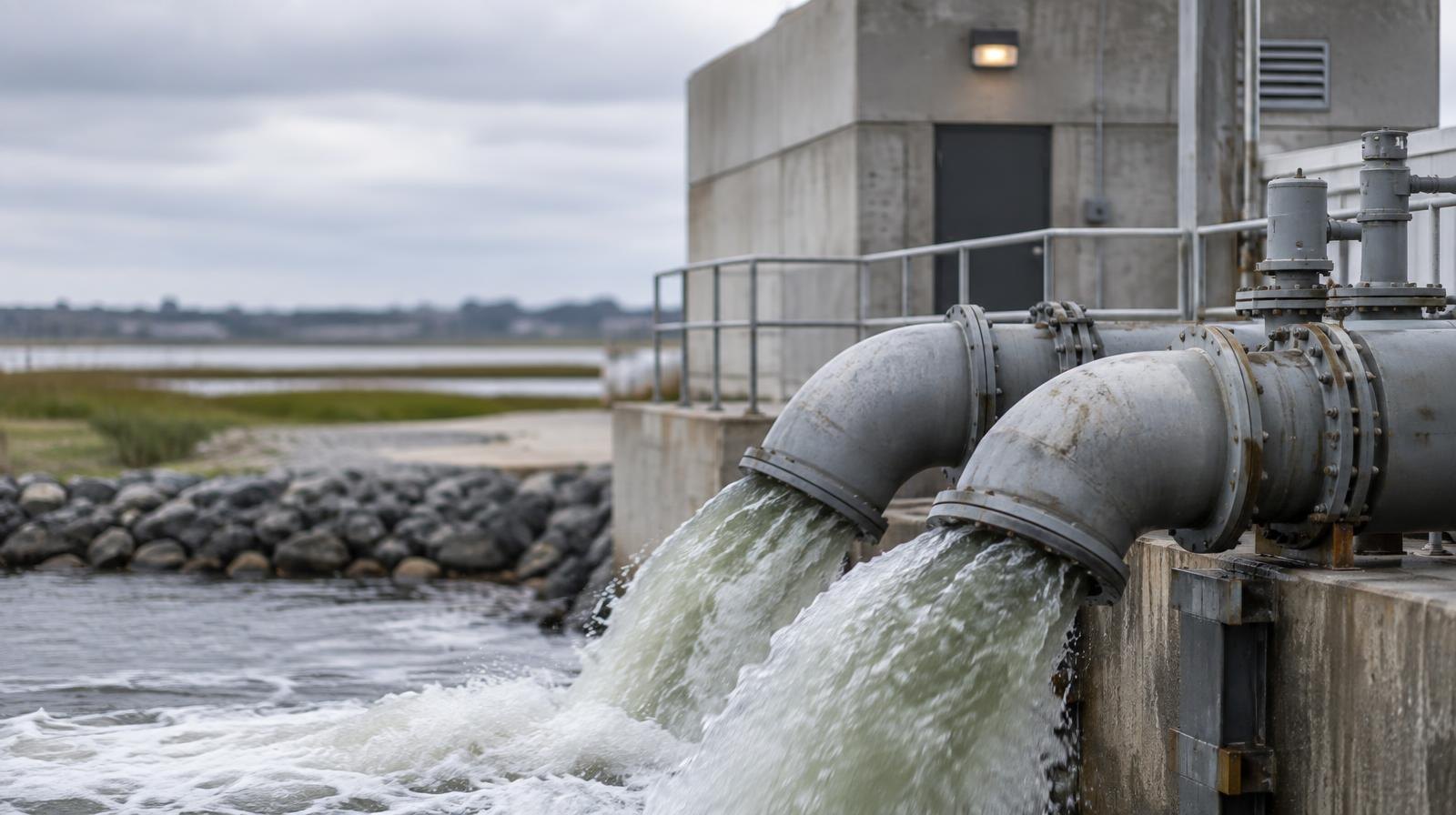
All four acknowledged the completion of the $32 million Parker Pump Station, which replaced a 1983-era facility that collects stormwater from about 150 acres and pumps sewage from the Country Club area. Two seats are on the November 2026 ballot.
The January 2024 storms overwhelmed Coronado's stormwater system and burst a sewer line. City Manager Tina Friend framed the challenge at an Aug. 18 council meeting, as reported Aug. 20 by the Coronado Times: "We are just intrinsically vulnerable. We are flat. We are at sea level. We are surrounded by water."
King: risk-rank every pipe, chase grants
King, a lawyer who has served on Coronado's Planning and Design Review Commission, cited the city's Capital Improvement Plan as putting roughly $8.8 million toward wastewater projects and $2.1 million toward storm drains. She proposed ranking every pump station and pipe by risk, funding the highest-risk work first and reporting progress publicly.
She also called for tying infrastructure projects to the city's 2022 Sea Level Rise Vulnerability Assessment and Adaptation Plan. New sewer rates that took effect in July, she said, provide a dedicated funding source, and the city should pursue state and federal flood-mitigation grants.
"Well-planned investing before infrastructure fails costs far less than emergency repairs, clean-up, property damage, and business disruption," King wrote.
Purvis: engineering-led schedule, emergency reserves
Purvis, a sitting council member appointed in January 2025, said the 2024 flooding was "extraordinary in both its strength and rain totals" and "overwhelmed systems throughout the region." She said infrastructure priorities should be "guided by engineering assessments and a long-term replacement schedule."
She backed funding through the Capital Improvement Program and the Wastewater Fund, supplemented by county, state and federal grants. Coronado maintains adequate emergency reserves, she said.
Gade: reallocate within the existing budget
Gade, a small-business owner, said the city should allocate more money to replace old pipes and infrastructure. He argued those efforts can be financed "within our existing city budget," without identifying new revenue.
He called for mobile pumps to be available for emergencies and said the Parker Pump Station going online "will help reduce flooding in the Country Club neighborhood." When he announced his candidacy Sept. 7, Gade pledged to cut delays in Capital Improvement projects.
Hoyt: upgrade beyond replacement
Hoyt, a Navy Reserve pilot and small-business owner, said the city should prioritize investments based on "infrastructure condition, probability of failure and consequences of failure."
He pushed for upgrades rather than swapping old for old. "When aging systems are replaced, we should upgrade them where practical … to improve capacity, reliability and resilience to flooding, earthquakes and other natural hazards …" Hoyt wrote.
Hoyt described flood protection as "a complete system" that includes storm drains, pump stations, seawalls, beaches and dunes. He cited erosion near Coronado Shores as reinforcing the need for regional beach nourishment. Like King, he referenced the city's Sea Level Rise Vulnerability and Adaptation Plan as the guide for long-term investments.
The full Q&A, which limited each candidate to 200 words, is available at The Coronado News.