A half-cent sales tax on the Nov. 3 ballot could send tens of millions of dollars a year toward stopping the Tijuana River sewage that has closed Coronado beaches.
Measure B, officially the San Diego County Health & Safety Act, is one of two countywide measures Coronado voters will decide Tuesday, Nov. 3. The other, Measure A, would overhaul the county charter by creating an independent ethics commission and extending supervisor term limits.
Measure B: the sales tax
Measure B is a citizen-led initiative that qualified for the ballot after a coalition of health care workers, first responders and union leaders submitted more than 151,000 signatures, according to Patch, which first reported the details via City News Service.
The ballot language states the half-cent sales tax would raise an estimated $400 million to $450 million annually. The tax has no end date and could be repealed only through another ballot measure, according to The Coast News.
Under the proposal, revenue would be split three ways, according to KPBS:
- 60% for health care, child care, food security and family services
- 22.5% for Tijuana River sewage fixes
- 17.5% for public safety, wildfire prevention and emergency response
Spending would be restricted to those categories, and an annual audit would be required.
Why it matters to Coronado
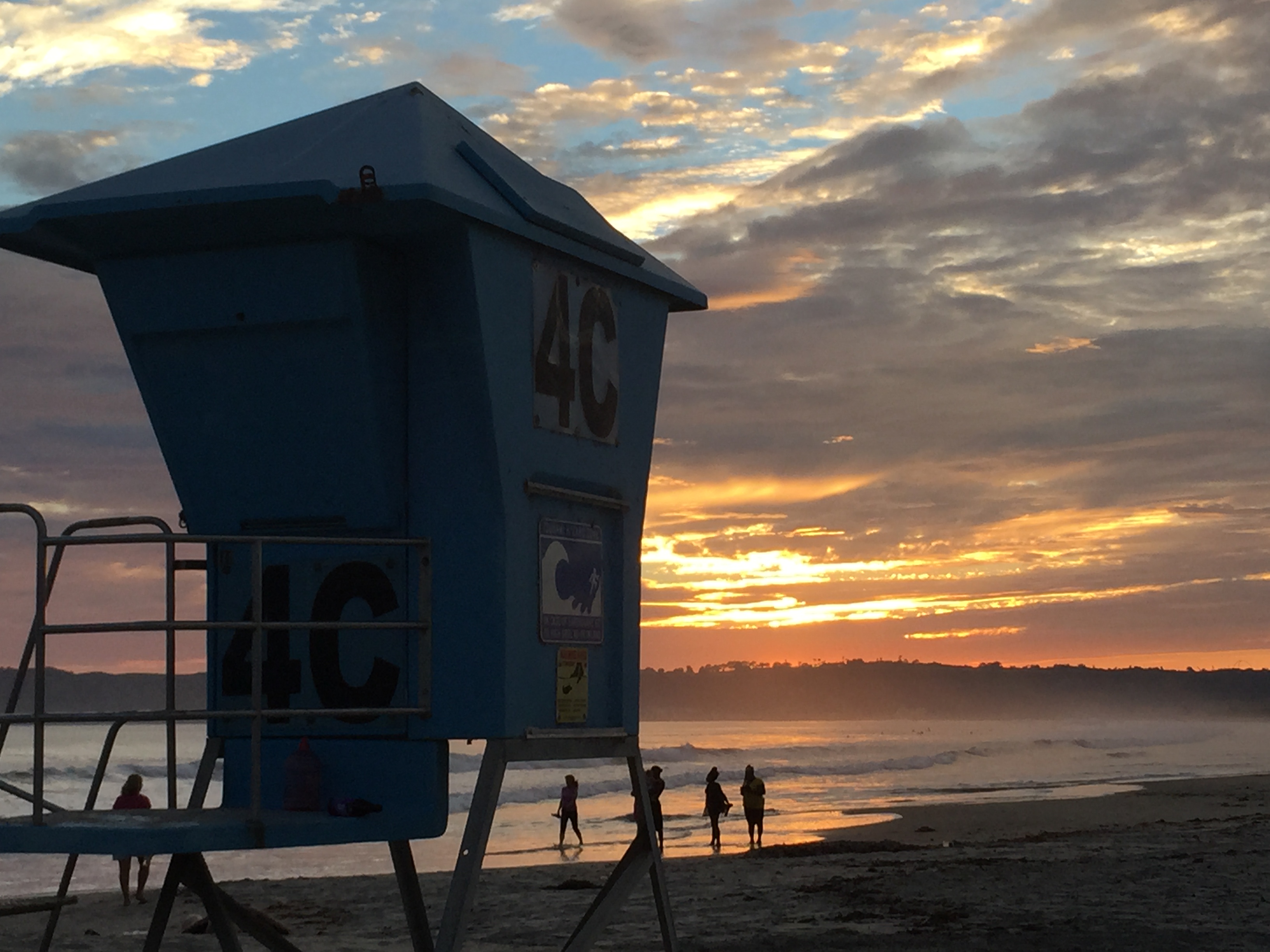
Sewage from Tijuana flows into Coronado and other parts of southern San Diego County, sickening swimmers and surfers and forcing beach closures, the Los Angeles Times reported in September. On Sept. 7, San Diego County health officials closed the Coronado shoreline through North Beach because of sewage contamination, KPBS reported. The Tijuana Slough, Imperial Beach and Silver Strand shorelines were also closed.
The county Board of Supervisors voted 4-1 on Sept. 1 to spend $1.8 million to design a system to divert and treat river water, according to the Los Angeles Times. Board Chair Terra Lawson-Remer said the annual tax revenue from Measure B could fund $700 million to $1 billion in bonds to build sewage treatment facilities.
Assemblyman Carl DeMaio, R-San Diego, who chairs Reform California, called the tax proposal foolish at a time when costs are rising, Patch reported. The San Diego County Taxpayers Association also opposes the measure, according to KPBS.
Crystal Irving, president of Service Employees International Union Local 221, said earlier this year that supporters are tired of waiting for state and federal action, Patch reported.
Measure A: charter reforms
Measure A would allow county supervisors to serve three four-year terms instead of the current two, according to KPBS. Voters adopted the two-term limit in 2010 through Proposition B, The Coast News reported. The measure would also create an independent budget analyst, program auditor and ethics commission, and it would give supervisors the power to confirm and remove some senior county staff.
Supervisors Paloma Aguirre, Terra Lawson-Remer and Monica Montgomery-Steppe voted in May to place the measure on the ballot. Supervisors Joel Anderson and Jim Desmond opposed it, Patch reported.
Supervisor Desmond said he supports the ethics commission, program auditor and budget analyst but called the three-term limit for supervisors "the worst form of politics and self-serving politicians," according to Patch.
If approved, sitting supervisors could run for a third term. Lawson-Remer and Anderson would no longer be termed out of office in 2028, according to KPBS.
Reform California, Anderson and Desmond formally oppose Measure A, Patch reported.
How to vote
Voting hours on Nov. 3 are 7 a.m. to 8 p.m. at any county vote center, according to Patch's voter guide. Mail ballots must be postmarked by Nov. 3 and received by Nov. 10. Ballots deposited at drop boxes must arrive by 8 p.m. on Election Day.